Nimco AI
Learn safe and effective paraphrasing techniques that help students, writers, researchers, and professionals rewrite content while preserving the original meaning.
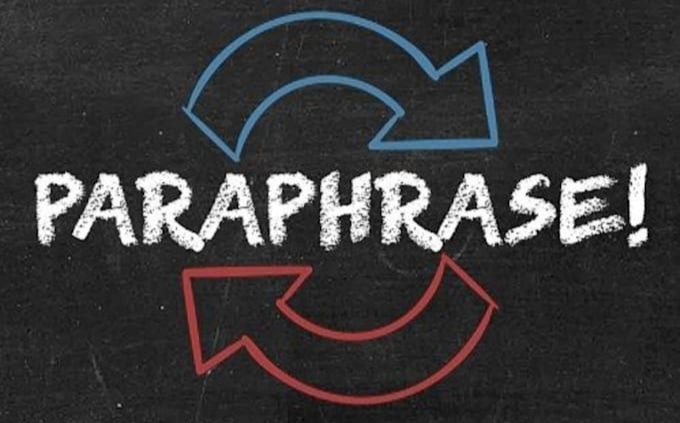
Simply changing a few words is often not enough to create an original paraphrase.
Rewrite TextReplacing words without restructuring sentences may still resemble the original text.
Improve RewritePoor paraphrasing can accidentally change the author's intended message.
Improve ClarityRewritten content should remain grammatically correct and easy to read.
Fix GrammarMany writers struggle to find alternative ways to express the same ideas.
Generate VariationsStrong paraphrasing skills are essential for essays, reports, and research projects.
Academic RewriteLarge passages can be difficult to rewrite while maintaining accuracy.
Summarize FirstRepeating the same phrases can reduce content quality and reader engagement.
Create VariationsManual rewriting often takes longer than necessary without proper tools.
Edit FasterReviewing rewritten content helps ensure accuracy and originality.
Paraphrasing can improve readability when complex ideas are rewritten clearly.
Simplify TextResearchers often need to explain sources in their own words accurately.
Organize ResearchContent creators frequently paraphrase information to produce original articles.
Create ContentParaphrasing is the process of expressing someone else's ideas using your own words while preserving the original meaning. It is a valuable skill for students, writers, researchers, marketers, and professionals who need to communicate information clearly and accurately.
Effective paraphrasing goes beyond replacing a few words with synonyms. It involves understanding the original content, restructuring sentences, and presenting the information in a fresh and original way. When done correctly, paraphrasing improves readability, strengthens writing quality, and helps avoid accidental plagiarism.
Paraphrasing means rewriting information while keeping the core message intact. Unlike direct quotations, paraphrased content uses different wording and sentence structures to communicate the same idea.
The goal is to demonstrate understanding of the source material while creating content that fits naturally within your own writing style and context.
Strong paraphrasing skills help improve communication and make complex information easier to understand. In academic settings, paraphrasing allows students to incorporate research into essays and reports while maintaining originality.
For content creators and professionals, paraphrasing helps transform information into unique content that better serves a specific audience. It can also improve readability by simplifying technical or complicated language.
Before attempting to paraphrase, take time to fully understand the source material. Focus on the main idea, supporting points, and overall message rather than individual words.
If you do not fully understand the original content, it becomes much more difficult to rewrite it accurately. Reading the passage multiple times can help ensure proper comprehension.
One effective technique is to read the source material, set it aside, and then explain the idea in your own words. This encourages genuine understanding and reduces the temptation to copy sentence structures directly.
Writing from memory often produces more natural and original phrasing than trying to rewrite each sentence while constantly referencing the source.
Proper paraphrasing involves more than changing individual words. Rearranging sentence structures helps create genuinely original content while maintaining the intended meaning.
You can combine short sentences, split longer ones, change the order of ideas, or use different grammatical constructions to improve originality.
The best paraphrased content sounds natural and consistent with the rest of your writing. Instead of forcing complex vocabulary, focus on clear communication that matches your audience and purpose.
Using your own writing style helps create content that feels authentic while improving readability.
A common mistake is changing only a few words while keeping the original sentence structure intact. This often produces content that remains too similar to the source.
True paraphrasing requires rethinking how the information is presented rather than performing simple word substitutions.
After paraphrasing, compare your version with the original text to ensure the meaning remains accurate. Small wording changes can sometimes alter important details or create misunderstandings.
Reviewing both versions helps confirm that the rewritten content communicates the same information without introducing errors.
Paraphrasing provides an opportunity to make content easier to understand. Complex ideas can often be simplified without losing important information.
Clear, concise writing improves reader engagement and helps audiences absorb information more effectively.
Academic writing frequently requires paraphrasing to incorporate research findings and expert opinions. Even when paraphrasing, proper citations may still be necessary depending on the context and citation style.
Accurate paraphrasing demonstrates understanding of source material while maintaining academic integrity.
Bloggers, marketers, and content creators often paraphrase information to produce unique articles, guides, and educational resources. This helps adapt information for different audiences while avoiding unnecessary duplication.
However, quality content should always add value through insights, explanations, examples, or practical advice rather than simply rewriting existing material.
Modern AI paraphrasing tools can assist with rewriting sentences, improving clarity, correcting grammar, and generating alternative phrasing. These tools can save time and provide inspiration during the writing process.
Even when using AI, it is important to review the output carefully to ensure accuracy, readability, and consistency with your intended message.
Many writers unintentionally paraphrase incorrectly by changing only a few words, preserving the original sentence structure, altering the meaning, or failing to review the final version.
Avoiding these mistakes improves originality and ensures that rewritten content remains accurate and useful.
Focus on understanding ideas rather than individual words, use your own sentence structures, verify accuracy, improve clarity, and review the final content carefully before publishing or submitting it.
Consistent practice helps develop stronger paraphrasing skills and improves overall writing ability over time.
Learning how to paraphrase text correctly is an essential skill for effective communication, academic success, and professional writing. Good paraphrasing preserves meaning while creating original and readable content that serves a specific audience.
By understanding source material thoroughly, restructuring ideas thoughtfully, and reviewing your work carefully, you can create high-quality paraphrased content that remains accurate, clear, and engaging.
Paraphrasing is the process of rewriting information in your own words while preserving the original meaning.
Paraphrasing improves writing quality, supports originality, enhances understanding, and helps communicate ideas more effectively.
No. Paraphrasing rewrites information while maintaining similar detail, whereas summarizing condenses information into a shorter version.
Proper paraphrasing can help create original content, but citations may still be required when using another person's ideas or research.
The most common mistake is changing only a few words while keeping the original sentence structure largely unchanged.
AI tools can assist with rewriting, grammar correction, readability improvements, and generating alternative phrasing, but human review remains important.
Practice regularly, focus on understanding ideas rather than words, experiment with sentence restructuring, and review your work for accuracy.
Students, researchers, bloggers, content creators, marketers, educators, and professionals can all benefit from strong paraphrasing abilities.
Use AI-powered writing tools to rewrite text, improve clarity, fix grammar, summarize information, and create more original content efficiently.