Nimco AI
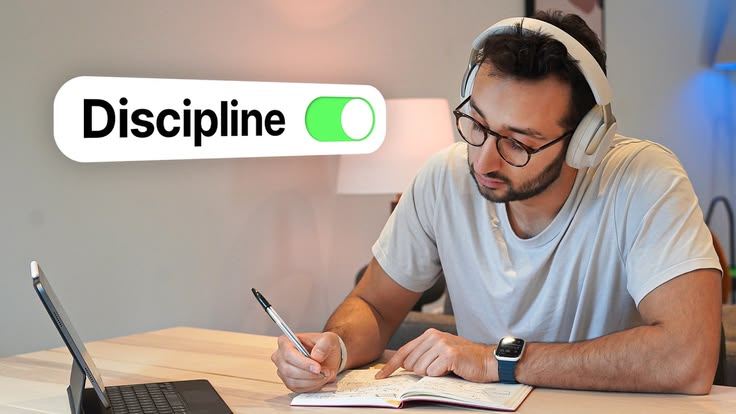
Proven methods to overcome procrastination, beat distractions, and start taking action immediately.

Large tasks feel overwhelming. Divide them into small actions that are easier to start.
A clear daily plan removes uncertainty and helps you know exactly what to do next.
Assign specific times for important tasks instead of waiting for motivation.
Work in short focused blocks to reduce distractions and increase momentum.
Reminders help you stay accountable and avoid forgetting important work.
Commit to working for just five minutes. Starting is usually the hardest part.
Seeing progress creates motivation and encourages consistent action.
Strong habits reduce reliance on motivation and make action automatic.
Identify and eliminate distractions that cause delays and lost focus.
Deadlines create urgency and help prevent endless postponement.
Focus on high-impact work before less important activities.
Sharing goals with others increases commitment and follow-through.
Done is often better than perfect. Progress matters more than flawless work.
Daily reviews help identify what works and what causes procrastination.
The fastest way to beat procrastination is to begin before you feel ready.
Procrastination is one of the biggest obstacles to productivity. It causes delays, increases stress, and prevents people from reaching their goals. The good news is that procrastination is a habit, and habits can be changed.
Most people believe they procrastinate because they are lazy, but that is rarely true. In many cases, procrastination happens because a task feels overwhelming, boring, difficult, or unclear.
Understanding why you procrastinate is the first step toward overcoming it. When a task feels too large or stressful, your brain looks for something easier and more enjoyable to do instead.
Social media, videos, gaming, and other distractions provide instant rewards, while important work often provides rewards much later. This makes procrastination feel attractive in the moment.
One of the fastest ways to stop procrastinating is the 5-minute rule. Tell yourself you only need to work on a task for five minutes.
Starting is usually the hardest part. Once you begin, momentum often takes over and you continue working far longer than planned.
Big projects can feel intimidating. Instead of focusing on the entire project, focus on the next small action.
For example, instead of writing an entire report, start by creating an outline. Small wins reduce resistance and make progress easier.
Distractions make procrastination easier. Turn off unnecessary notifications, close unrelated browser tabs, and create a dedicated workspace.
The fewer distractions around you, the easier it becomes to focus on important tasks.
People often procrastinate because they plan to do something "later." The problem is that later rarely arrives.
Assign specific times to important tasks. Scheduling work creates commitment and reduces decision fatigue.
Working for long periods can feel exhausting. Instead, use focused work sessions followed by short breaks.
Techniques like the Pomodoro Method help maintain concentration and make difficult tasks feel more manageable.
Many people wait until they feel motivated before taking action. Successful people often do the opposite.
Action creates motivation. The more progress you make, the more motivated you become to continue.
Habits reduce the need for willpower. When productive actions become automatic, procrastination becomes less powerful.
Start with small daily habits and focus on consistency rather than perfection.
The fastest way to stop procrastinating is to start before you feel ready. Taking even a small action creates momentum that makes future actions easier.
Focus on progress, not perfection. Small consistent efforts every day will always outperform occasional bursts of motivation.
Procrastination is often caused by fear of failure, overwhelm, perfectionism, lack of clarity, or distractions that provide immediate rewards.
Use the 5-minute rule. Commit to working on a task for just five minutes. Starting creates momentum and reduces resistance.
Yes. Chronic procrastination can increase stress, reduce productivity, and make it harder to achieve personal and professional goals.
Yes. Focus timers encourage short periods of concentrated work, making tasks feel less overwhelming and easier to start.
Plan your day, prioritize important tasks, remove distractions, and take consistent action even when motivation is low.
Plan tasks, schedule work sessions, set reminders, and stay focused with powerful productivity tools designed to help you get things done.