Nimco AI
Learn how to organize tasks properly and increase productivity using an effective to-do list system.
Large tasks feel overwhelming when they are not broken into smaller and manageable steps.
Break TasksWithout priorities, everything feels urgent and important tasks get delayed unnecessarily.
Set PrioritiesA lack of daily planning makes tasks random and reduces productivity throughout the day.
Plan DayWithout tracking, it becomes difficult to see progress and stay motivated over time.
A weak system makes task management chaotic and difficult to maintain consistently.
Distractions reduce output and make it harder to complete tasks efficiently.
Stay FocusedWithout reviewing your list regularly, tasks become outdated and less effective.
Unstructured lists become messy and difficult to follow consistently.
Low energy planning leads to poor productivity and unfinished tasks.
Inconsistent habits break workflow and reduce overall efficiency.
Without accountability, it becomes easier to ignore or delay important tasks.
Stay AccountableWithout a proper system, task management becomes disorganized and ineffective.
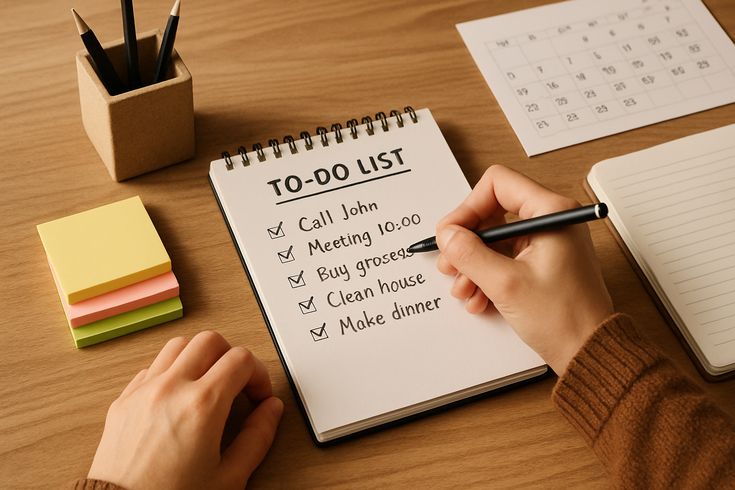
A to-do list is a simple but powerful productivity tool. However, it only works well when used with structure and consistency. Writing tasks alone is not enough; they must be organized and prioritized.
An effective to-do list helps you stay focused, reduce stress, and complete tasks in a more efficient way.
Avoid vague entries. Each task should be written in a clear and actionable form so you know exactly what to do.
Not all tasks have equal importance. Focus on high-priority tasks first to avoid wasting time.
Large tasks can feel overwhelming and cause procrastination. Breaking them into smaller steps makes them easier to complete.
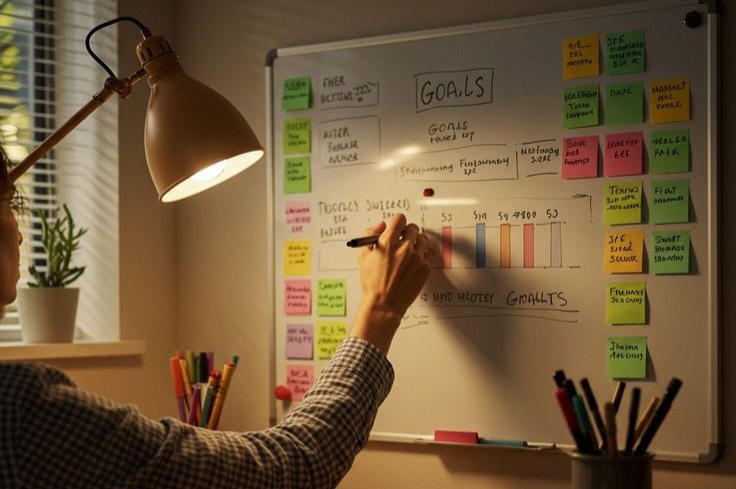
Regular review helps keep your list updated and ensures you stay aligned with your goals.
Adding too many tasks reduces focus and increases stress. Keep your list realistic and manageable.
A structured to-do list improves clarity, focus, and productivity. The key is consistency, not complexity.
When used correctly, it becomes one of the most effective tools for managing daily work and long-term goals.
Keep it simple, structured, and focused on priority tasks that can realistically be completed.
They fail when they become too long, unorganized, or when tasks are not prioritized properly.
Both are effective. Digital tools offer more flexibility, reminders, and better organization features.
Only add what you can realistically complete within your available time and energy.
Yes, they help improve focus, organization, and task completion efficiency when used correctly.
Use smart planning tools to organize, prioritize, and complete your daily tasks more efficiently.