Nimco AI
Learn how to identify and avoid common writing mistakes that reduce clarity, readability, and professionalism.
Frequent grammar mistakes can make writing appear unprofessional and difficult to understand.
Fix GrammarMisspelled words can distract readers and reduce confidence in your content.
Overly long sentences can make ideas difficult to follow and understand.
Simplify TextUsing vague or repetitive words can reduce the impact of your writing.
Improve WritingDisorganized content makes it harder for readers to follow your message.
Readers may lose interest when writing lacks a clear objective or direction.
Repeating the same ideas can make content feel longer without adding value.
Rewrite TextComplicated language can reduce readability and make communication less effective.
Abrupt topic changes can make writing feel disconnected and difficult to read.
Changing writing styles throughout a document can confuse readers.
Publishing without reviewing content increases the risk of avoidable mistakes.
Review ContentExcessive passive voice can make writing less direct and engaging.
Large blocks of text can discourage readers from engaging with content.
Strong writing helps communicate ideas clearly, build credibility, and keep readers engaged. However, even experienced writers can make mistakes that reduce the effectiveness of their content. Understanding these common errors can help improve readability, professionalism, and overall communication.
Whether you are writing blog posts, emails, reports, academic assignments, or business documents, avoiding common writing mistakes can make your content more valuable and easier to understand.
Grammar errors are among the most common writing problems. Mistakes involving verb tense, subject-verb agreement, punctuation, and sentence structure can make content appear less professional and harder to read.
Carefully reviewing your work and using grammar-checking tools can help identify errors before publication.
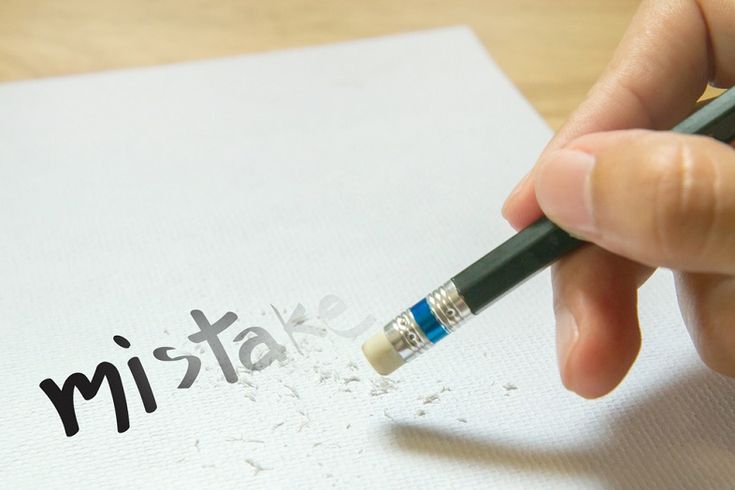
Misspelled words can distract readers and negatively affect credibility. While modern spell-checking tools help reduce mistakes, they do not catch every error, especially when a correctly spelled word is used in the wrong context.
Proofreading remains an important step in producing accurate and professional writing.
Many writers assume complex sentences make their work appear more intelligent or authoritative. In reality, long sentences often reduce clarity and make ideas harder to follow.
Shorter sentences are usually easier to read and understand. Breaking complex ideas into smaller sections improves readability and reader engagement.
Repetition can make content feel unnecessarily long and reduce its impact. Readers generally prefer concise writing that delivers value without repeating information.
Reviewing your content for duplicate ideas helps create a stronger and more focused message.
The words you choose influence how effectively your message is communicated. Weak, vague, or overused words can make writing less engaging and reduce clarity.
Choosing specific and meaningful language helps strengthen your message and improve reader understanding.
Poorly organized writing can confuse readers and make important information difficult to find. Effective content uses logical sections, headings, and transitions to guide readers through ideas naturally.
A clear structure improves both readability and user experience, especially for longer articles.
One of the most common writing mistakes is focusing only on what you want to say instead of what readers need to understand. Effective writing considers the audience's knowledge level, interests, goals, and expectations.
When content is written with the audience in mind, it becomes more relevant, engaging, and useful. Tailoring your language and examples to your readers can significantly improve communication.
Industry-specific terminology can be useful when writing for experts, but excessive jargon may confuse general readers. Complex terminology can create barriers that make content less accessible.
Whenever possible, use simple language that communicates ideas clearly. If technical terms are necessary, provide explanations to help readers understand them.
Large blocks of text can overwhelm readers and make information difficult to absorb. Effective paragraphs focus on a single idea and provide enough spacing to improve readability.
Shorter paragraphs are especially useful for online content because they make articles easier to scan on both desktop and mobile devices.
Passive voice is not always wrong, but excessive use can make writing feel indirect and less engaging. Active voice often creates clearer and more concise sentences.
Using active voice helps emphasize actions and makes content easier for readers to follow.
Even well-written content can contain small mistakes that become obvious after publication. Rushing to publish without reviewing your work increases the likelihood of grammar errors, spelling mistakes, formatting issues, and unclear wording.
Taking time to proofread allows you to catch problems and improve overall quality before readers see the content.
Wordiness is a common issue that can reduce clarity and weaken communication. Extra words often make sentences longer without adding value.
Removing unnecessary phrases helps create cleaner, stronger writing that delivers information more efficiently.
A sudden shift in tone can confuse readers and make content feel less professional. Consistency helps maintain trust and creates a smoother reading experience.
Whether your writing style is formal, conversational, educational, or professional, maintaining a consistent voice throughout the content improves readability.
First drafts are rarely perfect. Many writers make the mistake of treating their initial version as the final product.
Editing allows you to improve structure, clarify ideas, strengthen wording, remove repetition, and enhance overall quality. The editing stage is often where good writing becomes great writing.
Inaccurate information can damage credibility and reduce reader trust. Verifying facts, statistics, dates, and sources is an important part of the writing process.
Reliable and accurate content helps establish authority and provides greater value to readers.
Improving writing skills requires practice, feedback, and continuous refinement. Reading regularly, writing consistently, editing carefully, and studying effective communication techniques can lead to significant improvements over time.
Using writing tools to review grammar, improve wording, and simplify complex sentences can also help accelerate progress and build stronger writing habits.
Avoiding common writing mistakes can dramatically improve the clarity, professionalism, and effectiveness of your content. Small improvements in grammar, organization, structure, and word choice often have a significant impact on how readers perceive your work.
Strong writing is not about using complicated language or sounding impressive. It is about communicating ideas clearly, helping readers understand information, and delivering value through effective communication.
Common writing mistakes include grammar errors, spelling mistakes, poor organization, repetitive content, weak word choice, and failing to proofread before publishing.
Proofreading helps identify grammar issues, spelling errors, formatting problems, and unclear wording that may reduce content quality.
Use simple language, shorter sentences, logical organization, and specific wording. Removing unnecessary words can also improve clarity.
Passive voice occurs when the subject receives an action rather than performing it. Excessive passive voice can make writing less direct and engaging.
Review your content carefully, remove duplicate ideas, and use concise language that communicates information efficiently.
Yes. AI tools can help identify grammar issues, improve sentence structure, rewrite repetitive content, and enhance readability.
Every important piece of content should be reviewed and edited before publication. Multiple editing passes often produce the best results.
Consistent practice, regular reading, constructive feedback, and careful editing are some of the most effective ways to improve writing skills over time.
Strengthen grammar, improve readability, rewrite repetitive content, and refine sentence structure to create clearer and more professional writing.