
Nimco AI
Learn proven productivity strategies to achieve more in less time, improve focus, reduce wasted effort, and get better results without working longer hours.
Without clear priorities, important work gets mixed with low-value tasks and productivity suffers.
Set PrioritiesBeing constantly busy does not always mean meaningful progress is being made toward important goals.
Starting the day without a plan often leads to wasted time and poor decision-making.
Plan DayFrequent interruptions reduce concentration and make tasks take much longer than necessary.
Stay FocusedWithout dedicated work periods, important tasks often compete with less valuable activities.
Time BlockTrying to do several tasks at once often reduces efficiency and increases mistakes.
Large projects become overwhelming when they are not divided into manageable steps.
Break TasksTracking progress helps identify what works and keeps motivation high over time.
Track ProgressPursuing perfection can delay completion and reduce overall productivity.
Repeating manual processes wastes valuable time that could be used more effectively.
Focused work sessions improve concentration and help complete tasks faster.
Focus SessionAn unorganized schedule often creates stress, missed deadlines, and wasted effort.
Build ScheduleA reliable workflow helps reduce decision fatigue and improves consistency.
Productivity depends on energy levels as much as time management and planning.
Delaying important work increases pressure and reduces the quality of results.
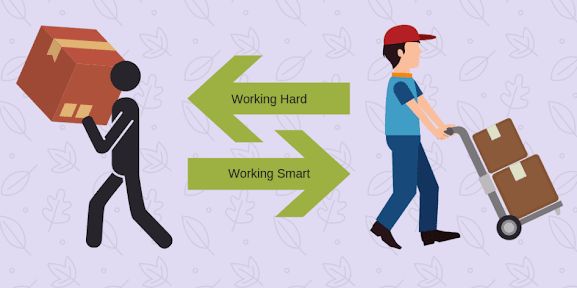
Start TasksMany people believe success comes from working longer hours, but productivity is not simply about effort. Working smarter focuses on achieving better results through planning, prioritization, and efficient systems rather than increasing workload.
The most productive individuals understand that time and energy are limited resources. Instead of trying to do more work, they focus on doing the right work in the most effective way possible.
Not all tasks contribute equally to your goals. Some activities create meaningful results, while others simply consume time without providing much value.
Identifying and prioritizing high-impact tasks allows you to make better use of your available time and energy.
Planning reduces uncertainty and eliminates the need to constantly decide what to do next. A clear plan improves focus and prevents wasted effort.
When important tasks are scheduled in advance, it becomes easier to stay organized and consistent throughout the day.
Distractions are one of the biggest obstacles to productivity. Notifications, multitasking, and constant interruptions reduce focus and increase the time needed to complete tasks.
Creating a distraction-free environment allows you to complete work more efficiently and maintain concentration for longer periods.
Time blocking is one of the most effective productivity techniques because it assigns specific periods of time to important tasks. Instead of reacting to whatever appears during the day, you intentionally decide where your attention will go.
Combining time blocking with focused work sessions can significantly improve efficiency. Working without interruptions for a set period often produces better results than attempting to multitask throughout the day.
Large projects can feel intimidating and often lead to procrastination. Breaking them into smaller, manageable steps makes it easier to start and maintain momentum.
Completing smaller tasks creates a sense of progress and helps reduce the mental resistance that often comes with complex projects.
Monitoring your progress helps you stay motivated and identify what is working. Tracking completed tasks also provides valuable insight into productivity patterns and areas that need improvement.
Small improvements made consistently over time often produce greater results than occasional bursts of intense effort.
Many people focus entirely on time management while ignoring energy management. Productivity is heavily influenced by sleep quality, nutrition, exercise, and mental focus.
Scheduling demanding tasks during your peak energy periods can improve performance and help you complete important work more effectively.
Motivation changes from day to day, making it an unreliable foundation for productivity. Systems and routines create consistency by reducing the need to make repeated decisions.
When productive behaviors become habits, it becomes easier to achieve results even on days when motivation is low.
Working smarter is not about avoiding effort. It is about directing effort toward the activities that produce the greatest results. Better planning, stronger focus, and effective systems allow you to accomplish more while reducing unnecessary stress.
By prioritizing important tasks, eliminating distractions, managing your energy, and tracking progress, you can improve productivity without extending your work hours. Consistent improvement and smart decision-making will always outperform constant busyness.
Working smarter means using effective strategies, systems, and priorities to achieve better results in less time rather than simply working longer hours.
Focus on high-priority tasks, eliminate distractions, create a daily plan, and use structured workflows to improve efficiency.
In most situations, multitasking reduces concentration and increases mistakes. Focusing on one task at a time usually produces better results.
Time blocking helps you dedicate specific periods to important work, reducing distractions and improving focus throughout the day.
Identify your biggest distractions, prioritize high-value activities, create a schedule, and track your progress consistently.
Use planning, scheduling, and focus tools to organize tasks, reduce distractions, and complete meaningful work more efficiently.