Nimco AI
Learn the most common productivity mistakes that waste time, reduce focus, and slow progress. Discover practical solutions and tools that help you work smarter every day.

Multitasking often reduces efficiency and increases mistakes. Focus on one important task at a time.
Working without a clear plan leads to wasted time and poor prioritization.
Treating every task as equally important can keep you busy but not productive.
Frequent interruptions destroy focus and make deep work nearly impossible.
Tasks without deadlines often get postponed indefinitely.
Packing too many activities into one day causes stress and unfinished work.
Working continuously lowers concentration and increases mental fatigue.
Delaying difficult work creates pressure and reduces productivity.
Without tracking progress, it's difficult to identify what's working and what isn't.
Goals that are too ambitious often lead to frustration and inconsistency.
Without dedicated work periods, important tasks compete for attention.
Relying on memory instead of a system can cause missed deadlines and commitments.
Email overload can consume hours that should be spent on meaningful work.
Daily reviews help identify wins, mistakes, and opportunities for improvement.
A structured system keeps tasks organized, priorities clear, and progress measurable.
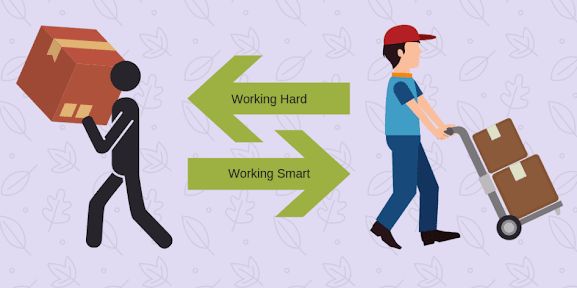
Being busy does not always mean being productive. Many people work hard every day yet struggle to achieve meaningful results because they unknowingly follow habits that reduce efficiency. Understanding common productivity mistakes can help you work smarter, save time, and achieve more with less stress.
The biggest productivity improvements often come from eliminating bad habits rather than adding more tools or techniques. By recognizing these mistakes early, you can build a system that supports long-term success.
One of the most common productivity mistakes is beginning the day without a plan. When you don't know what needs to be done, you waste valuable time deciding what to work on next.
Creating a daily plan helps you prioritize important tasks, stay organized, and maintain momentum throughout the day. A clear plan reduces decision fatigue and keeps you focused on meaningful work.
Many people believe multitasking increases efficiency, but research consistently shows the opposite. Switching between tasks forces your brain to constantly refocus, which reduces productivity and increases mistakes.
Focusing on one task at a time allows deeper concentration and better results. Single-tasking is often faster and more effective than attempting to do several things simultaneously.
Not all tasks are equally important. Spending hours on low-value activities can make you feel productive while important work remains unfinished.
Successful people focus on high-impact tasks first. Identifying your most important priorities each day ensures that your time is spent where it creates the greatest results.
Notifications, social media, emails, and messages can interrupt focus dozens of times each day. Even brief distractions can significantly reduce concentration and productivity.
Creating distraction-free work sessions helps you complete tasks faster and with higher quality. Dedicated focus periods are essential for deep work and meaningful progress.
Many people underestimate how long tasks will take and schedule too much work into a single day. This creates unnecessary stress and often leads to unfinished tasks.
A realistic schedule provides enough time for important work while leaving room for unexpected interruptions. Productivity is about consistency, not cramming as much work as possible into every hour.
Procrastination often occurs when tasks feel overwhelming, difficult, or unclear. Delaying important work increases pressure and can create last-minute stress.
Breaking large projects into smaller steps makes them easier to start. Taking immediate action, even on a small part of the task, builds momentum and reduces resistance.
Relying solely on memory is a major productivity mistake. Important deadlines, meetings, and responsibilities can easily be forgotten.
Using reminders and scheduling systems ensures that critical tasks stay visible and receive attention at the right time.
Working for long periods without rest can reduce concentration, creativity, and decision-making ability. Mental fatigue often leads to lower-quality work and slower performance.
Short breaks help refresh the mind, improve focus, and maintain productivity throughout the day. Strategic rest is an important part of sustainable performance.
Without tracking progress, it becomes difficult to know whether your productivity system is working. Many people repeat ineffective habits because they never evaluate their results.
Regular reviews help identify strengths, weaknesses, and opportunities for improvement. Measuring progress keeps you motivated and accountable.
Productivity is not about working longer hours. It is about using your time effectively and avoiding habits that create unnecessary obstacles. Small mistakes repeated daily can significantly reduce results over time.
By planning your day, focusing on priorities, reducing distractions, and using effective productivity systems, you can accomplish more while experiencing less stress and burnout.
Starting work without a clear plan is one of the most common productivity mistakes because it leads to wasted time and poor prioritization.
Multitasking forces your brain to switch attention repeatedly, reducing concentration, increasing errors, and slowing overall performance.
Break large tasks into smaller steps, set deadlines, remove distractions, and focus on starting rather than finishing everything at once.
Reminders help you remember deadlines, appointments, and important tasks so nothing important gets overlooked.
Task planners, daily planners, schedulers, focus timers, and reminder tools help create structure, maintain focus, and improve time management.
Stay organized, eliminate procrastination, plan smarter, and improve focus using our free productivity tools designed to help you work more efficiently every day.