
Nimco AI
Learn simple essay writing techniques that help you organize ideas, create strong outlines, write efficiently, and finish assignments faster without sacrificing quality or structure.
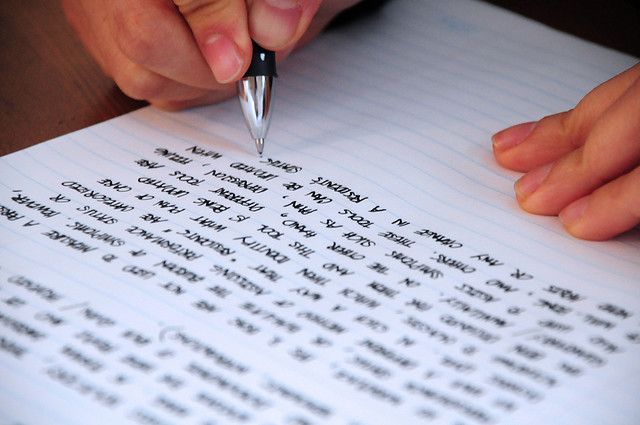
Writing without a clear outline often leads to confusion and unnecessary rewrites.
Create OutlinePoor organization can make essays difficult to write and harder to understand.
Organize IdeasGathering too much information can delay the writing process significantly.
Summarize NotesRepeating the same ideas can weaken the overall quality of an essay.
Rewrite TextLeaving assignments until the last minute increases pressure and stress.
Plan ScheduleA clear writing plan helps break large assignments into manageable steps.
Plan EssayInterruptions can dramatically increase the time needed to finish essays.
Stay FocusedEditing becomes easier when essays are written with a structured process.
Edit FasterTracking deadlines helps prevent missed submissions and rushed work.
Set ReminderWriting essays quickly is not about rushing through assignments. The goal is to use an organized process that helps you research, plan, write, and edit more efficiently. When you follow a clear structure, essay writing becomes faster, less stressful, and easier to manage.
Many students spend too much time staring at a blank page, gathering excessive research, or constantly editing while writing. A few simple strategies can significantly reduce writing time while improving the overall quality of your work.
Before writing, carefully review the assignment instructions. Understanding the topic, word count, formatting requirements, and grading criteria helps prevent mistakes that may require major revisions later.
A clear understanding of the assignment creates direction and makes the writing process much more efficient.
One of the fastest ways to improve essay writing speed is to create an outline before starting. A basic outline helps organize ideas and provides a roadmap for the entire assignment.
Most essays include an introduction, body paragraphs, and a conclusion. Planning these sections in advance reduces confusion and helps maintain a logical flow.
Research is important, but spending too much time collecting information can slow progress. Focus on finding reliable sources that directly support your topic instead of gathering unnecessary material.
Taking organized notes while researching helps save time when you begin drafting your essay.
Many students struggle with introductions and waste valuable time trying to create the perfect opening paragraph. In many cases, it is easier to write the introduction after completing the body of the essay.
Once your main arguments are written, crafting a clear introduction becomes much simpler.
The first draft does not need to be perfect. Concentrate on getting your ideas onto the page instead of worrying about grammar, wording, or formatting during the writing stage.
Completing a full draft creates momentum and allows you to improve the content during editing.
Complicated language often slows writing and can make essays more difficult to read. Clear and direct writing improves communication and helps you complete assignments more efficiently.
Focus on explaining ideas effectively rather than using unnecessarily complex vocabulary.
Long assignments can feel overwhelming when viewed as a single task. Breaking an essay into smaller sections makes the work easier to manage and helps maintain motivation.
Completing one section at a time creates steady progress and reduces procrastination.
Social media, notifications, and multitasking can significantly increase writing time. Dedicated focus sessions help improve concentration and allow you to complete assignments more efficiently.
Many students use timers or scheduled writing blocks to maintain productivity and avoid interruptions.
Editing while writing often slows progress. Instead of constantly revising sentences, complete the draft first and review everything afterward.
This approach separates creative thinking from editing and usually leads to faster completion times.
After finishing the draft, review the essay for clarity, organization, grammar, spelling, and sentence structure. Small improvements can significantly strengthen the final result.
Effective revision ensures that your essay communicates ideas clearly while meeting academic expectations.
Essay writing becomes easier with practice. Establishing a regular study and writing routine helps improve both speed and confidence over time.
Students who write consistently often develop stronger organization skills and become more efficient at completing assignments.
Many students lose time because they skip outlining, research without a plan, edit while drafting, procrastinate, or try to perfect every sentence immediately.
Avoiding these common mistakes can dramatically improve writing efficiency and reduce assignment-related stress.
Learning how to write essays fast is largely about improving your process rather than writing faster. A clear outline, focused research, structured drafting, and effective editing can help you complete assignments more efficiently while maintaining quality.
The most successful students rely on consistent writing habits and proven systems. By following a structured approach, you can save time, reduce stress, and produce stronger essays with greater confidence.
Start with an outline, gather research efficiently, focus on completing the first draft, and leave editing until after the essay is written.
Creating a simple outline before writing helps organize ideas and makes starting much easier.
Not always. Many students find it easier to write the introduction after completing the body paragraphs.
Research time varies, but focusing only on relevant and reliable sources helps prevent unnecessary delays.
Common reasons include lack of planning, excessive research, distractions, procrastination, and editing while drafting.
Creating an outline, breaking the assignment into smaller sections, and focusing on progress rather than perfection can help overcome writer's block.
Most students write faster when drafting and editing are treated as separate stages of the process.
AI tools can assist with outlining, grammar correction, summarization, paraphrasing, and improving clarity, helping students complete assignments more efficiently.
Use AI-powered writing, editing, planning, and productivity tools to organize ideas, improve grammar, create outlines, and complete assignments with greater confidence.