Nimco AI
Learn how to maintain balance, energy, and focus while avoiding mental exhaustion and burnout.

Working too much without rest drains your energy and reduces both focus and long-term productivity.
Balance WorkRegular breaks help the brain recover and maintain steady performance throughout the day.
Take BreaksWithout a structured schedule, tasks pile up and create unnecessary stress and confusion.
Plan TimePoor sleep habits reduce energy levels, weaken focus, and increase the risk of burnout.
Fix RoutineContinuous pressure without balance leads to mental exhaustion and reduced performance.
Manage PressureDisorganized tasks increase stress and make it harder to manage workload effectively.
Organize TasksConstant distractions reduce concentration and quickly drain mental energy.
Focus TimeIgnoring your energy levels leads to exhaustion and inconsistent performance.
Manage EnergyWithout proper rest, the body and mind cannot recover from daily stress.
Poor work-life boundaries make it difficult to disconnect and recharge properly.
Set BoundariesWithout tracking energy levels, burnout signs often go unnoticed until it becomes severe.
Track EnergyA stable routine helps regulate energy and prevents mental overload.
Without priorities, everything feels urgent and increases stress unnecessarily.
Without a proper system, tasks become chaotic and harder to manage efficiently.
Your mind needs recovery time to reset focus and reduce long-term stress.
Burnout happens when stress and workload exceed your ability to recover. It is a gradual process that affects your mental energy, focus, and motivation. Many people only notice it when they are already exhausted.
Avoiding burnout is not about doing less work, but about managing energy, structure, and recovery effectively. With the right systems, you can stay productive without damaging your mental health.
Productivity depends on balance. Working for long hours without breaks reduces performance and increases fatigue.
Taking regular breaks helps the brain reset, improving focus and decision-making ability.
A well-structured schedule prevents overload and helps you manage tasks more effectively.
When your day is planned, you reduce stress caused by uncertainty and last-minute pressure.
Sleep is one of the most important factors in preventing burnout. Poor sleep reduces concentration and increases emotional stress.
Proper rest allows your body and mind to recover and function at a higher level.
Clear boundaries between work and personal life are essential for long-term balance.
Without boundaries, work can easily take over rest time, leading to exhaustion.
Monitoring your energy helps you identify early signs of burnout before it becomes serious.
This allows you to adjust workload and recovery habits proactively.
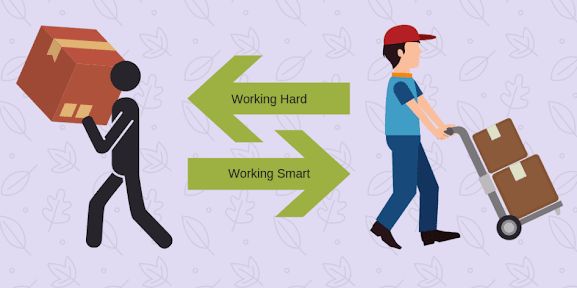
Burnout is preventable when you combine structure, rest, and awareness. It is not about working less, but working smarter with balance.
Sustainable productivity comes from consistency, not exhaustion.
Burnout is caused by long-term stress, overworking, lack of rest, and poor balance between work and recovery.
Common signs include constant fatigue, lack of motivation, reduced focus, and feeling mentally drained.
Recovery involves rest, reducing workload, improving sleep, and rebuilding healthy routines gradually.
Yes. Structured planning helps manage workload, reduce stress, and prevent overload.
Yes. If ignored, burnout can seriously affect mental health, productivity, and overall well-being.
Use smart planning tools to manage workload, improve focus, and maintain healthy energy levels.